_edited.jpg)
The Key Role of Muscle Maintenance and Resistance Training for Hormone Health
As we navigate through life, our bodies naturally change, particularly in how we manage muscle mass and strength. Unfortunately, many people underestimate the importance of maintaining muscle, especially as they age. Research continues to reveal a strong connection between muscle health and a longer life. This blog highlights the critical importance of building and maintaining muscle as we age, the key role hormones play, the benefits of resistance training, and how to establish a structured exercise program.
The Connection Between Muscle Maintenance and Longevity
Aging typically accompanies a slow decline in muscle mass and strength, known as sarcopenia. This condition can lead to several health concerns, such as reduced mobility, a higher risk of falls, and even a shorter life span. Data suggests that around 30% of people over 60 experience sarcopenia, a statistic that emphasizes the urgency of addressing muscle health as we grow older.
Maintaining muscle mass helps preserve strength, balance, and coordination, which are crucial for staying independent in later years. According to a study published by the Journal of Applied Physiology, individuals who maintain muscle mass can boost their longevity by up to 20%.
Moreover, muscle serves as a reservoir for essential amino acids, which support metabolic health. When we focus on muscle maintenance, we are not just aiming for better appearance; we are investing in health and longevity.
Hormones and Muscle Health
Hormones are central to muscle maintenance. Key hormones such as testosterone, estrogen, and growth hormone greatly impact muscle repair and growth. Their levels usually begin to drop in our 30s, accelerating with age, and this decline can significantly affect muscle mass and strength.
For example, men with testosterone levels within the higher range often have 25% more muscle mass and significantly lower body fat percentages compared to those with lower levels. For women, estrogen helps preserve muscle mass and bone density. A study found that women who engaged in resistance training and had higher estrogen levels were less likely to experience muscle loss over time.
Understanding the link between hormones and muscle health highlights that preserving muscle can also support hormone stability, creating a positive cycle that fosters both fitness and well-being.
The Vital Role of Resistance Training
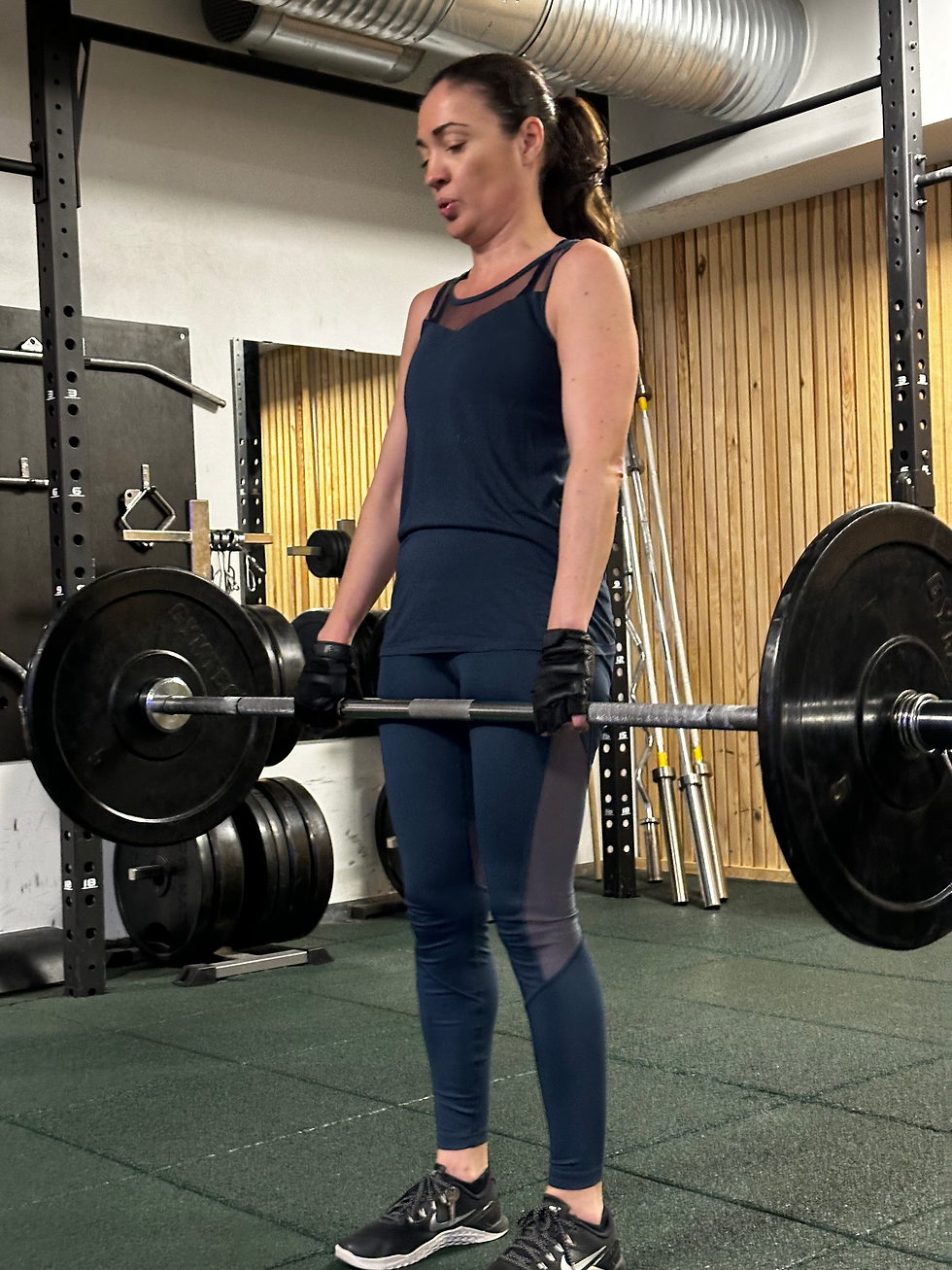
One of the most effective ways to maintain muscle mass as we grow older is through resistance training. This type of exercise involves working against some form of resistance, such as weights, resistance bands, or even your body weight.
Various studies indicate that individuals engaged in resistance training can maintain their muscle mass and experience an increase in strength, balance, and bone density. For instance, a study from the American College of Sports Medicine found that older adults who participated in a resistance training program saw a 50% improvement in strength over a 12-week period.
Additionally, resistance training influences hormones positively. It stimulates the release of growth hormone and testosterone, which are necessary for muscle repair and growth. Regular resistance training not only combats hormonal decline but also boosts metabolism, making it easier to maintain a healthy weight.
Structured and Balanced Training Programs
While resistance training plays a vital role, a safe and structured approach is essential. A well-designed exercise program should include not only resistance training but also flexibility and aerobic activities. This comprehensive fitness regime supports overall health.
For those new to exercise or returning after a break, a structured program ensures safe, effective workouts that match individual fitness levels. Proper guidance is crucial to minimize the risk of injury, especially while lifting weights or performing high-intensity workouts.
Moreover, a balanced training approach allows for gradual intensity progression, which is vital for sustained improvement without straining the body. This careful consideration helps individuals build strength and endurance while respecting their unique abilities.
Practical Tips for Maintaining Muscle as We Age
Engage in Regular Resistance Training: Aim for at least two sessions per week targeting major muscle groups for maximum benefit.
Prioritize Protein Intake: Ensure your diet contains adequate protein, especially for older adults. Studies suggest that adults need about 1.2 grams of protein per kilogram of body weight to support muscle growth.
Stay Hydrated: Dehydration can impair muscle performance, so maintain proper fluid intake throughout the day.
Incorporate Balance and Flexibility Exercises: These activities can prevent falls and improve mobility, effectively complementing your resistance training routine.
Listen to Your Body: Tune in to how your body reacts to workouts and adjust your program accordingly. Avoiding injury is essential for consistency in your exercise routine.
Embracing the Path to Healthy Aging
Maintaining muscle as we age is foundational for healthy living, impacting longevity and hormone health. Resistance training stands out as an essential strategy to counteract natural muscle decline and support hormonal balance.
By adopting a structured training program, individuals can safely engage in physical activities customized to their fitness levels. This minimizes risks while maximizing health benefits. The journey to maintaining muscle goes beyond seeking a better physical appearance; it is a vital investment in health and quality of life as we age.
Embrace resistance training, focus on muscle maintenance, and discover the secret to a longer, healthier life.



Comments